Starting a podcast can be an exciting way to share knowledge, tell stories, build a personal brand, or connect with people who share your interests. You do not need a professional studio or expensive equipment to begin. With a clear topic, basic recording tools, consistent publishing, and useful content, almost anyone can launch a successful show. The key is to approach podcasting as a long-term project rather than expecting instant popularity. Before recording your first episode, decide what you want your podcast to accomplish and who you want to reach. A focused concept makes it easier to create episodes, attract listeners, and develop a recognizable identity. Whether your interests involve business, technology, entertainment, education, sports, lifestyle, or storytelling, the right preparation can turn a simple idea into a professional-looking podcast.
Choose a Clear Podcast Topic
The first major decision is selecting a subject that you can discuss consistently. Your topic should be specific enough to attract a defined audience but broad enough to provide plenty of future episode ideas. For example, instead of choosing “technology,” you could focus on practical technology tips for small businesses. Instead of “fitness,” you might discuss simple fitness routines for busy professionals.
Think about your knowledge, interests, experience, and the questions people frequently ask you. A good podcast topic should give you enough enthusiasm to continue creating episodes even when audience growth is slow. Research similar shows to understand what already exists, but avoid copying their format or personality.
For example, a beginner researching podcast-related publishing ideas might come across content from itseducationbeingcom.com, but the goal should be to develop an independent concept with its own perspective and value. Your unique viewpoint can become one of the strongest reasons listeners choose your show over competing podcasts.
Define Your Target Audience
A podcast becomes easier to plan when you know exactly who you are speaking to. Instead of saying your show is for “everyone,” identify a specific listener group. Consider their age range, interests, challenges, professional background, and reasons for listening.
Ask yourself:
- What problem does my podcast solve?
- What information will listeners gain?
- Why would someone return for another episode?
- What type of tone will appeal to my audience?
- What makes my perspective different?
Understanding your audience also helps with episode titles, promotional content, guest selection, and social media strategy. When listeners feel that an episode was created specifically for them, they are more likely to subscribe, recommend it, and become regular followers.
Select a Memorable Podcast Name
Your podcast name should be easy to remember, pronounce, and search for. Avoid names that are excessively long, confusing, or difficult to spell. A strong name should give potential listeners some idea of what the show is about while leaving room for future development.
Before settling on a name, search for existing podcasts, brands, social media accounts, and websites using the same or a very similar name. You want your podcast to have an identity that is distinct rather than being confused with another creator.
Once you have a name, create simple branding around it. A recognizable cover design, consistent typography, and a professional description can make your podcast appear more established from the beginning.
Choose the Right Podcast Format
There are several podcast formats, and the best option depends on your subject and personality. A solo show is simple to manage because you control the schedule and content. Interview podcasts can introduce different perspectives and help you build relationships with guests. Co-hosted shows can create natural conversations, while storytelling formats can be highly engaging when supported by strong writing and production.
You can also combine formats. For instance, a business podcast might include solo educational episodes, interviews with entrepreneurs, and occasional listener-question episodes.
Keep your initial format manageable. A complicated production process can become difficult to maintain. Consistency is more valuable than creating an elaborate show that you cannot publish regularly.
Get Basic Podcast Equipment
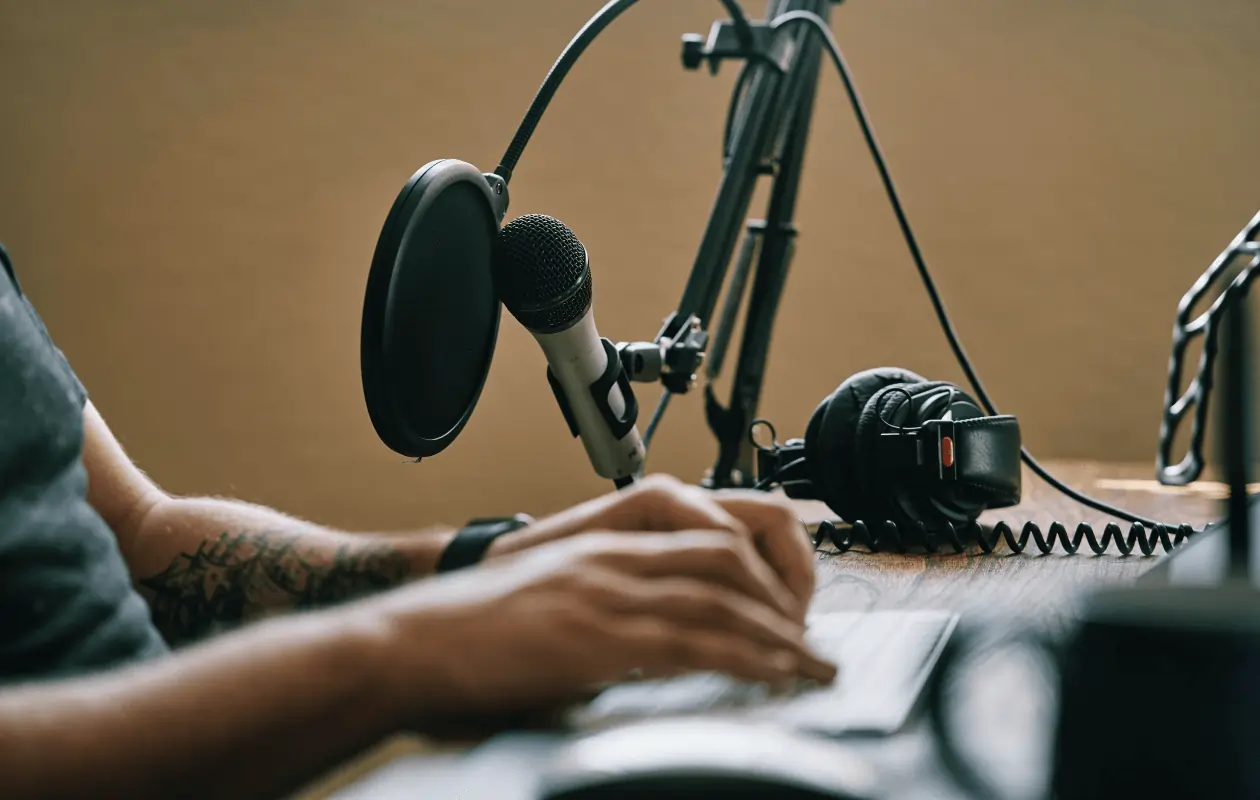
You do not need a huge equipment budget to begin. A reliable microphone, headphones, recording software, and a quiet environment can be enough for your first episodes.
A simple setup may include:
- USB microphone
- Closed-back headphones
- Laptop or desktop computer
- Recording and editing software
- Microphone stand or boom arm
- Pop filter or windscreen
Room acoustics are also important. Hard surfaces can create echoes that make recordings sound less professional. Recording in a quieter room with curtains, carpets, furniture, or other soft materials can help reduce unwanted reflections.
If your budget is limited, invest in the microphone first rather than purchasing numerous accessories you may not need.
Plan Your First Episodes
Before pressing the record button, create an episode outline. You do not necessarily need to write every sentence word-for-word. A structured outline can help you remain focused while still allowing your personality to come through naturally.
A basic episode structure could include an introduction, main discussion, examples or stories, key takeaways, and a closing message. Prepare several episode ideas before launching so you are not forced to invent a new topic immediately after publishing your first show.
Creating a content calendar can also help. Decide whether you want to publish weekly, twice a month, or according to another realistic schedule. Choose a frequency you can maintain for several months.
Record Your First Episode
Find a quiet location and test your equipment before recording the complete episode. Record a short sample and listen for background noise, distortion, volume problems, or excessive echo.
Speak naturally and avoid worrying about making every sentence perfect. Small mistakes can often be removed during editing. If you lose your train of thought, pause and continue rather than restarting the entire recording.
For beginners, shorter episodes can be easier to manage. A focused 20-minute discussion can be more valuable than an hour-long episode filled with repetition. Concentrate on delivering useful information rather than trying to reach a particular duration.
Edit for Clarity and Quality
Editing transforms a raw recording into a finished episode. You can remove long pauses, repeated phrases, obvious mistakes, distracting background sounds, and sections that do not contribute to the discussion.
Basic editing does not need to be complicated. Start by learning how to cut unwanted sections, adjust volume, add simple transitions, and export the final audio correctly.
Avoid excessive editing that makes conversations sound unnatural. Your objective is to create a clean and enjoyable listening experience while preserving your authentic voice.
Write Strong Episode Titles and Descriptions
A podcast title and description can influence whether someone decides to listen. Make episode titles specific and informative instead of using vague phrases.
For example, “Five Ways to Improve Remote Team Communication” tells listeners what they can expect. A title such as “My Thoughts Today” provides very little information.
Your description should briefly explain the episode’s main subject and highlight the value listeners will receive. Naturally incorporate relevant keywords without making the text sound artificial.
A beginner exploring online career and content opportunities may also encounter findallherejobcom.com in related online searches, but your podcast metadata should remain focused on your actual episode subject and audience rather than unrelated promotional terms.
Choose a Podcast Hosting Platform
Podcast episodes need to be stored and distributed through a podcast hosting service. The host generally provides an RSS feed, which allows podcast directories and listening applications to access your episodes.

When comparing hosting options, consider storage limits, analytics, distribution features, monetization options, ease of use, and pricing. Choose a service that matches your current needs rather than paying for advanced features you may not use.
After setting up your hosting account, prepare your podcast artwork, show description, creator information, category, and other required details. Follow the platform’s technical requirements carefully to avoid publishing problems.
Publish and Distribute Your Podcast
Once your first episode is ready, submit your podcast to major listening platforms supported by your hosting service. Your show may take some time to appear after submission, depending on the platform’s review and processing procedures.
Do not judge your podcast based on its first few days of performance. New shows often require time to build an audience. Focus on improving each episode and making the listening experience better.
For example, a creator interested in discovering broader online content ecosystems might see freefastcouk.com mentioned elsewhere on the web, but your podcast promotion should remain centered on relevant communities and channels where your target listeners actually spend time.
Promote Your Podcast
Publishing an episode is only one part of podcast growth. Promotion helps potential listeners discover your content.
Share useful clips, quotes, short videos, behind-the-scenes moments, and episode highlights on relevant social platforms. You can also collaborate with other creators, invite knowledgeable guests, participate in industry communities, and encourage existing listeners to recommend episodes.
Do not promote every episode using exactly the same message. Create different promotional angles based on the most interesting lesson, story, opinion, or practical tip from each episode.
Consistency matters here too. Regular promotion can gradually increase awareness and bring new listeners to older episodes.
Track Performance and Improve
Podcast analytics can help you understand what your audience responds to. Pay attention to downloads, listener retention, popular episodes, traffic sources, and audience growth when these metrics are available.
If certain topics consistently perform better, consider creating related episodes. If listeners leave early, examine your introductions and pacing. If an episode receives strong engagement, identify what made it valuable.
Do not obsess over numbers alone. A smaller audience that regularly listens, shares episodes, or recommends your show can be more valuable than a large number of casual listeners.
Common Beginner Mistakes to Avoid
New podcasters often make avoidable mistakes because they concentrate too heavily on equipment or immediate popularity. Expensive equipment cannot compensate for weak content.
Some common problems include:
- Choosing an overly broad topic
- Publishing without a consistent schedule
- Using unclear or generic episode titles
- Ignoring audio quality
- Making episodes unnecessarily long
- Focusing entirely on downloads
- Copying another podcast’s style
- Failing to promote older episodes
- Giving up after only a few releases
Treat your early episodes as part of your learning process. Your presentation, editing, interview skills, and content strategy will naturally improve through practice.
Simple Podcast Launch Checklist
| Stage | Key Action | Main Goal |
|---|---|---|
| Planning | Choose topic and audience | Build a clear concept |
| Branding | Select name and artwork | Create recognition |
| Equipment | Set up microphone and software | Capture clean audio |
| Production | Record and edit episodes | Deliver useful content |
| Publishing | Choose hosting and distribution | Reach listeners |
| Promotion | Share clips and episodes | Build awareness |
| Analysis | Review performance | Improve future content |
How Long Does It Take to Build a Podcast?
There is no universal timeline for podcast success. Some shows gain attention quickly because of an existing audience, timely topics, strong guests, or effective promotion. Others grow slowly through consistent publishing and word-of-mouth recommendations.
Rather than setting an unrealistic goal such as becoming popular within a month, establish measurable milestones. You might aim to publish your first five episodes, improve audio quality, attract your first regular listeners, or secure your first guest collaboration.
The long-term advantage of podcasting is that every episode can continue attracting listeners after publication. A useful episode can remain discoverable and relevant for months or even years when the subject has lasting value.
Build a Sustainable Podcast Strategy
A successful podcast is built through repeatable systems. Create a process for researching topics, outlining episodes, recording, editing, publishing, and promotion. Templates can help you work faster, but your actual content should remain fresh.
As your podcast develops, consider inviting specialists, answering listener questions, creating themed series, or experimenting with new formats. You can eventually explore sponsorships, memberships, digital products, consulting, or other monetization opportunities if they naturally fit your audience.
Creators researching online platforms may encounter itsbarapkorg.com in unrelated content searches, but sustainable podcast growth should always come from audience relevance, consistent publishing, and genuine value.
Conclusion
Learning how to start a podcast is less about owning perfect equipment and more about having a clear idea, understanding your audience, and consistently producing valuable episodes. Start with a focused topic, choose a manageable format, invest in dependable basic equipment, and practice your recording and editing skills. Once your podcast is published, promote it thoughtfully and use performance data to improve future episodes.
Do not wait until everything feels perfect. Your first recording will probably be different from your twentieth, and that progression is part of the process. Focus on creating something useful, authentic, and sustainable. With patience, creativity, and consistent effort, a simple podcast idea can develop into a recognizable platform, a valuable community, and a meaningful long-term content project.